Skip to content
The developer’s guide to avoiding nasty surprises in your adoption budget.
Here’s a conversation that happens in development offices across the UK every week:
“Great news, the council’s approved our Section 38 application!”
“Brilliant. What’s the damage?”
“Well, the technical approval fee was as expected. Legal costs are about right. Bond’s what we budgeted for. But there’s this thing called a ‘commuted sum‘ for £47,000 that I don’t really understand…”
If you’ve had this conversation (or you’re about to), you’re not alone. Commuted sums are possibly the most misunderstood cost in highway adoption. They’re also one of the most avoidable, if you know what triggers them.
The problem is, most developers only find out about commuted sums when it’s too late to do anything about them. Your design’s fixed, construction’s underway, and suddenly you’re being asked to pay thousands of pounds for the “future maintenance” of assets you thought were standard.
But here’s the thing: commuted sums aren’t arbitrary. They’re calculated using established methodologies, triggered by specific design choices, and, most importantly, they’re negotiable.
This guide will help you understand exactly how commuted sums work, what triggers them, and how to minimise their impact on your projects.
What Are Commuted Sums, Really?
The Basic Concept
Think of commuted sums as the council’s way of saying: “Thanks for the shiny new infrastructure, but some of this stuff is going to cost us more to maintain than our standard kit. We’ll need some cash upfront to cover the difference.”
Legally speaking, ADEPT’s latest guidance defines them as “a capital sum paid to the highway authority as a contribution to future maintenance of assets to be adopted or transferred.”
But that definition doesn’t really capture why they exist or why they can be so expensive.
The Legal and Regulatory Context
The power to charge commuted sums comes from the Highways Act 1980, specifically:
- Section 38(6) for new highway infrastructure
- Section 278 for alterations to existing highways
The 2016 Redrow case (Redrow Homes vs Knowsley MBC) confirmed that councils can lawfully require commuted sums for post-adoption maintenance costs. This wasn’t just a technical legal victory, it opened the floodgates for much more aggressive commuted sum policies across England.
Since then, we’ve seen commuted sum charges increase significantly. What used to be occasional charges for obviously non-standard items now apply to a much wider range of assets and materials.
“The Redrow judgment changed everything. Councils realised they had much broader powers to recover future costs than they’d previously used. Developers who understood commuted sums in 2015 had to relearn the rules by 2018.” , Tony Flook, Managing Director, Highways Plus
When Commuted Sums Apply (And When They Don’t)
Not everything triggers a commuted sum. The key test is whether your proposed infrastructure creates additional maintenance costs compared to the authority’s standard approach.
Standard infrastructure (no commuted sum required):
- Conventional road construction using authority-approved materials
- Standard drainage systems with readily available components
- Basic street lighting using authority-preferred specifications
- Footways and cycleways to adoptable standards
Non-standard infrastructure (commuted sum likely):
- LED lighting systems (in authorities that haven’t standardised on LED)
- Permeable paving or other specialist surface treatments
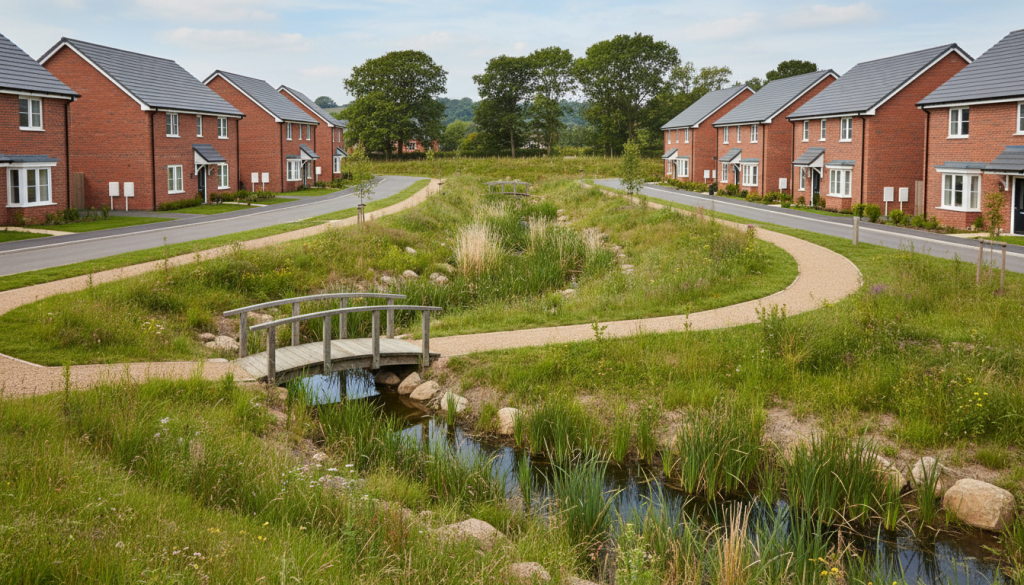
- SuDS features like swales, basins, or attenuation systems
- Structures requiring specialist inspection or maintenance
- Underground service ducts or chambers
- Non-standard materials or construction methods
Types of Assets Attracting Commuted Sums
Street Lighting and Electrical Infrastructure
Street lighting is probably the most common trigger for commuted sums. And it’s where the calculations can get really painful.
LED vs Conventional Lighting Costs Most authorities now prefer LED lighting for new installations. But “prefer” doesn’t mean “will maintain for free.” LED lighting commuted sums typically range from £500-£1,500 per column, calculated over a 25-year design life.
The logic is straightforward: LED systems cost more to replace when they fail, even if they fail less often. The authority wants upfront payment to cover the difference in replacement costs over the asset’s design life.
Smart Lighting Technology If your development includes smart lighting controls, environmental sensors, or adaptive lighting systems, expect significantly higher commuted sums. These systems offer operational benefits but create maintenance complexity that authorities price accordingly.
Common Lighting Commuted Sum Triggers:
- Non-standard column designs or materials
- Integrated CCTV or communications equipment
- Feeder pillar locations that don’t match standard layouts
- Ducting systems for future services
- Decorative or heritage-style lighting in conservation areas
Structures and Bridges
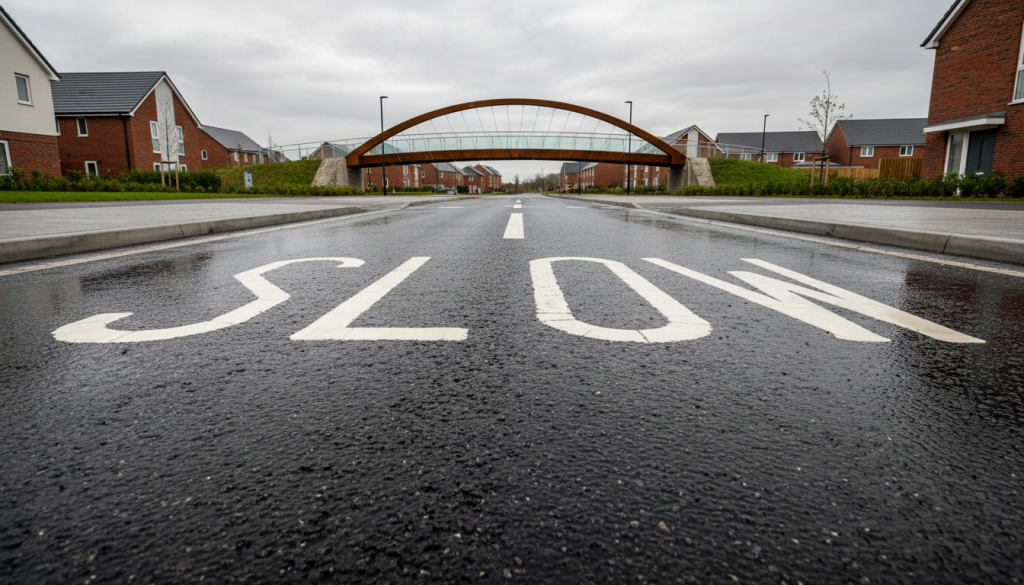
Any structure in your highway layout will attract a commuted sum. No exceptions.
Design Life Considerations ADEPT guidance requires commuted sums for structures to be calculated over 120 years. Yes, 120 years.
That’s not a typo, it’s based on the expected design life of structural assets and the authority’s obligation to maintain them “in perpetuity.”
Materials Impact on Calculations The materials you choose for structures have a massive impact on commuted sum calculations:
| Structure Type | Standard Materials | Typical Commuted Sum | Higher-Spec Alternative | Potential Saving |
|---|---|---|---|---|
| Retaining walls | Mass concrete | £15,000-£30,000 | Reinforced earth systems | 30-50% reduction |
| Bridge parapets | Steel barriers | £8,000-£15,000 | Concrete parapets | 20-40% reduction |
| Drainage structures | Precast concrete | £5,000-£12,000 | In-situ concrete | 10-25% reduction |
| Access steps | Concrete construction | £3,000-£8,000 | Natural stone | 50-80% increase |
Inspection and Maintenance Access Structures that are difficult to inspect or maintain attract higher commuted sums. If your bridge can only be accessed by specialist equipment, or your retaining wall requires rope access for inspection, expect the calculations to reflect that complexity.
Sustainable Drainage Systems (SuDS)
SuDS adoption has been revolutionised by the Design and Construction Guidance (DCG), but highway authorities are still catching up with maintenance obligations.
Adoption Responsibility Boundaries One of the biggest challenges with SuDS commuted sums is working out who’s responsible for what. Some SuDS components can be adopted by water companies under Section 104. Others remain with the highway authority. Some might not be adoptable at all.
This complexity creates problems for commuted sum calculations because authorities often don’t know exactly what they’ll be maintaining.
Maintenance Complexity Factors SuDS commuted sums vary enormously based on maintenance requirements:
- Permeable paving: Regular cleaning and occasional replacement of paving units
- Swales and basins: Vegetation management, sediment removal, outfall maintenance
- Attenuation tanks: Inspection access, pumping equipment, structural integrity
- Flow control devices: Specialist cleaning, calibration, replacement parts
Performance Monitoring Requirements Many authorities now require ongoing performance monitoring for SuDS systems. If your development includes monitoring equipment, telemetry systems, or data collection requirements, these will be reflected in commuted sum calculations.
Calculation Methodologies: The Maths Behind the Pain
Whole-Life Costing Principles
Commuted sum calculations are based on whole-life costing principles set out in HM Treasury’s Green Book. But understanding the theory doesn’t make the numbers any less painful.
The Standard Formula:
Commuted Sum = (Additional Annual Cost × Present Value Factor) + Replacement Cost Premium
Where:
- Additional Annual Cost = difference between your asset and authority standard
- Present Value Factor = discount calculation over asset design life
- Replacement Cost Premium = additional cost of replacing non-standard assets
Design Life Assumptions This is where the calculations get expensive:
- Roads and pavements: 40 years (but maintenance cycles every 15-20 years)
- Street lighting: 25 years (but LED replacement costs front-loaded)
- Drainage systems: 60 years (but access and cleaning annually)
- Structures: 120 years (with major maintenance every 30-40 years)
- SuDS features: 30-60 years (depending on complexity)
Discount Rate Applications Authorities use the public sector discount rate of 3.5% for the first 30 years, reducing to lower rates for longer periods. This might sound generous, but over 60-120 year calculation periods, even small annual cost differences compound into substantial commuted sums.
Regional Variations: Why Location Matters
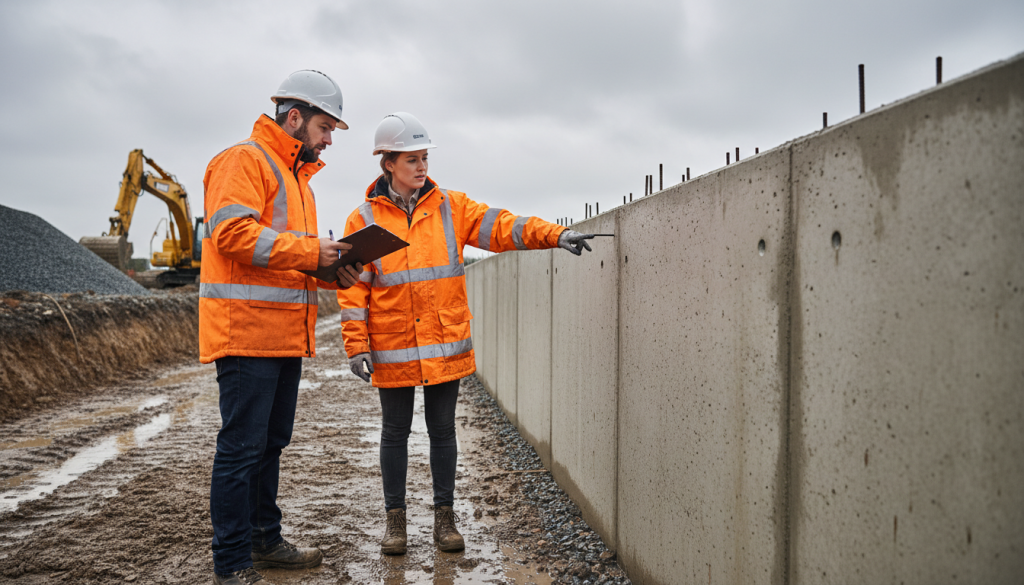
Here’s something that frustrates developers: neighbouring authorities can have completely different approaches to commuted sum calculations.
Policy Differences Between Authorities Leicestershire’s approach is detailed and transparent, with published calculation tools and clear guidance on what triggers charges.
Hampshire’s policy includes an online calculator that lets you estimate costs during design development.
But many authorities still operate with informal policies, unpublished calculation methods, and significant discretion in how charges are applied.
Calculation Tool Variations Some authorities use ADEPT’s standardised calculator. Others have developed their own tools. A few still calculate commuted sums manually, leading to inconsistencies and lengthy negotiations.
Negotiation Flexibility Ranges The scope for negotiation varies dramatically:
- Rigid authorities: Published rates, no negotiation, take it or leave it
- Flexible authorities: Open to discussion on design life, maintenance costs, alternative approaches
- Collaborative authorities: Work with developers to optimise designs and minimise commuted sums
“The smart developers always ask about commuted sum policies during pre-application meetings. If an authority’s particularly rigid on commuted sums, that influences design decisions right from the start.” , Ben Sperring, Surfacing and Civils Manager, Highways Plus
Negotiation and Optimisation Strategies
Design Optimisation: Prevention is Better Than Cure
The best way to minimise commuted sums? Design them out from the beginning.
Standard vs Non-Standard Trade-offs Every design decision has commuted sum implications. The key is understanding what the authority considers “standard” and designing accordingly, unless the benefits of non-standard approaches justify the additional costs.
Value Engineering Opportunities Smart value engineering can dramatically reduce commuted sum exposure:
- Material substitutions: Using authority-preferred materials even if they’re not your first choice
- Simplification: Reducing maintenance complexity through design simplification
- Standardisation: Using components the authority already maintains elsewhere
- Access optimisation: Ensuring maintenance access doesn’t require specialist equipment
Alternative Specification Benefits Sometimes higher-specification materials actually reduce commuted sums by extending design life or reducing maintenance frequency. It’s counterintuitive, but worth exploring during design development.
Technical Justification: Making Your Case
When negotiating commuted sums, evidence trumps opinion every time.
Performance Evidence Compilation Build cases based on:
- Manufacturer data on expected performance and maintenance requirements
- Industry research on comparative costs and design life
- Other authority policies showing different approaches to similar assets
- Whole-life cost analysis demonstrating cost-effectiveness
Comparative Cost Analysis Don’t just argue that commuted sums are too high, demonstrate why with comparative analysis:
- Benchmark against similar authorities
- Show alternative design costs and benefits
- Quantify operational advantages of your proposed approach
- Demonstrate risk reduction or performance improvements
Commercial Negotiation: The Art of the Deal
Information Transparency Benefits Authorities appreciate developers who understand their constraints and work collaboratively to find solutions. Being transparent about your design choices, cost constraints, and programme requirements often leads to more flexible approaches.
Collaborative Approach Advantages Frame negotiations as problem-solving exercises rather than adversarial discussions:
- “How can we design this to minimise your maintenance burden?”
- “What alternative approaches would you consider acceptable?”
- “Are there other developments where you’ve found good solutions to similar challenges?”
Professional Representation Value Experienced adoption specialists can often negotiate better outcomes than developers handling negotiations directly. They understand authority perspectives, know precedents from other projects, and can frame discussions in ways that achieve better results.
Case Studies: Learning from Success and Failure
Successful Cost Reduction Example
Project Background: 150-unit residential development in Hampshire requiring new estate roads, drainage, and lighting.
Original Assessment:
- LED lighting commuted sum: £47,000
- SuDS basin maintenance: £23,000
- Non-standard drainage materials: £15,000
- Total commuted sums: £85,000
Optimisation Strategy:
- Switched to authority-standard lighting columns with LED retrofit capability
- Redesigned SuDS basin for easier maintenance access
- Substituted drainage materials for authority-approved alternatives
- Provided detailed maintenance manual and training for authority staff
Final Outcome:
- LED lighting commuted sum: £18,000 (62% reduction)
- SuDS basin maintenance: £12,000 (48% reduction)
- Drainage materials: £0 (eliminated)
- Total commuted sums: £30,000 (65% reduction)
Key Success Factors:
- Early engagement with authority during design development
- Willingness to modify designs based on authority feedback
- Collaborative approach to problem-solving
- Detailed technical justification for all proposals
Lessons from Failed Negotiations
Project Background: 75-unit development with innovative SuDS system and smart lighting controls.
What Went Wrong:
- No pre-application discussion of commuted sum implications
- Design completed before understanding authority policies
- Adversarial approach to negotiations
- Lack of technical justification for design choices
Consequences:
- 6-month delay while alternative designs were developed
- £35,000 in additional design costs
- Final commuted sum higher than original assessment
- Damaged relationship with authority affecting future projects
Lessons Learned:
- Commuted sum strategy must be part of initial design development
- Authority engagement needs to happen early and often
- Technical innovation requires careful commercial justification
- Professional relationships matter for current and future projects
Taking Control of Commuted Sum Costs
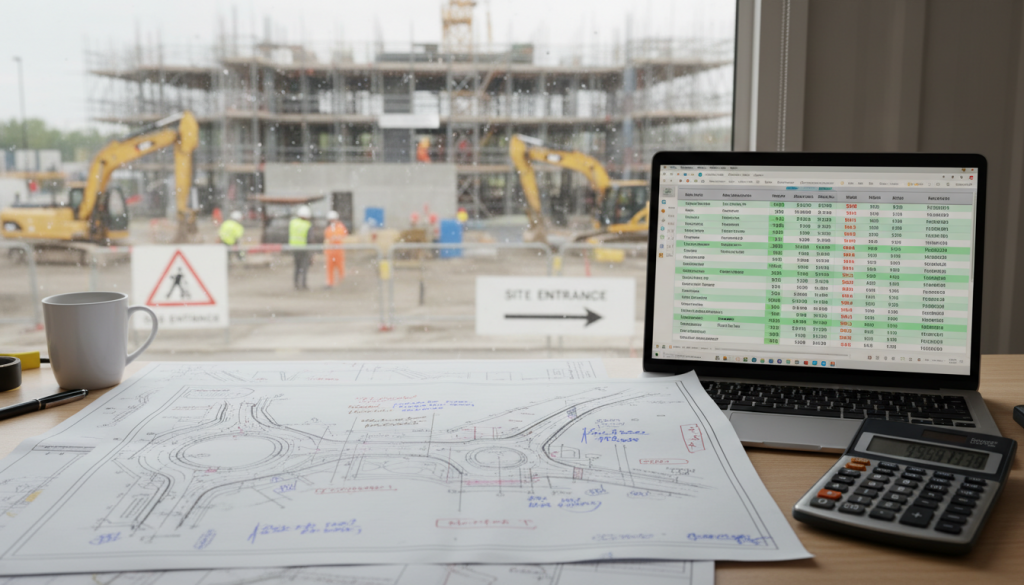
Early Planning is Everything
During Design Development:
- Research authority commuted sum policies before finalising designs
- Use pre-application meetings to understand specific triggers and calculation methods
- Consider commuted sum implications in material and specification choices
- Build contingency allowances based on realistic cost assessments
Pre-Construction Phase:
- Finalise commuted sum calculations before starting construction
- Include agreed sums in Section 38 agreement negotiations
- Ensure all parties understand what’s included and excluded
- Plan cash flow impact of commuted sum payments
When to Challenge, When to Accept
The most expensive commuted sum conversations happen after construction’s complete. By then, your options are limited and your negotiating position is weak.
Not every commuted sum calculation is worth challenging. Pick your battles based on:
Challenge when:
- Calculations don’t follow published authority guidance
- Design life assumptions seem unrealistic
- Maintenance cost estimates appear excessive
- Similar developments have achieved different outcomes
Accept when:
- Calculations follow established methodology
- Costs are proportionate to genuine additional maintenance burden
- Negotiation costs would exceed potential savings
- Relationships with authority are more valuable than immediate cost savings
Professional Support: When to Get Help
Consider specialist support for commuted sum negotiations when:
- Total exposure exceeds £25,000
- Authority policies are unclear or unpublished
- Previous negotiations with the same authority have been unsuccessful
- Design choices involve genuinely innovative approaches
Future Trends: What’s Coming Next
Climate Change and Sustainability Requirements
Expect commuted sum policies to evolve rapidly as authorities grapple with climate adaptation requirements:
Enhanced Drainage Standards More stringent surface water management requirements will affect SuDS adoption and maintenance obligations. Authorities are still working out how to calculate commuted sums for climate-resilient infrastructure.
Biodiversity Net Gain Integration The Environment Act 2021 requires biodiversity net gain in development projects. This will affect SuDS design and potentially create new categories of maintainable assets.
Carbon Accounting Some authorities are beginning to factor carbon considerations into commuted sum calculations. Lower-carbon materials or construction methods might attract reduced commuted sums even if initial costs are higher.
Technology and Smart Infrastructure
Smart Infrastructure Premiums As authorities become more comfortable with smart infrastructure, commuted sum premiums for technology integration should reduce. But expect transitional costs while authorities develop maintenance capabilities.
Predictive Maintenance Integration Advanced monitoring and predictive maintenance systems might actually reduce commuted sums by extending asset life and optimising maintenance timing.
Don’t Let Commuted Sums Derail Your Project
Commuted sums don’t have to be budget-busters. With early planning, smart design choices, and collaborative negotiation, they become manageable project costs rather than nasty surprises.
The key is understanding that commuted sums aren’t penalties, they’re risk-sharing mechanisms. Authorities need certainty about future maintenance costs. Developers need certainty about adoption obligations. Good commuted sum negotiations find solutions that work for everyone.
Drawing on 50+ years in highways and civils, we guide developers through adoption complexities across the South West, Thames Valley and South Wales.
Contact Highways Plus for specialist support:
- Phone: 01761 202 012
- Email: info@highwaysplus.co.uk
Frequently Asked Questions
Q: Are commuted sums negotiable?
A: Yes, but success depends on timing and approach. Early engagement during design development offers the best opportunities for negotiation. Once construction’s complete, options are much more limited. The key is providing technical justification for alternative approaches rather than simply arguing that costs are too high.
Q: How early can commuted sums be estimated?
A: Rough estimates are possible during initial design development if you understand the authority’s policies and calculation methods. More accurate figures require detailed design information and formal authority assessment. Some authorities provide online calculators for preliminary estimates.
Q: What’s the difference between commuted sums and bonds?
A: Bonds are security against construction risks and get returned after successful adoption. Commuted sums are payments for future maintenance costs and don’t get returned. Both affect cash flow, but in different ways and at different times.
Q: How do commuted sums affect development viability?
A: Commuted sums should be factored into development appraisals from the earliest stages. Unexpected commuted sums can significantly impact viability, but properly planned commuted sums are just another development cost that can be budgeted and managed like any other.