
You’ve just received the commuted sum calculation from your local authority. £180,000 for maintaining a few roads and drainage features over 25 years. Your project budget just took a massive hit, and you’re wondering if there’s any way to challenge it without derailing your Section 38 agreement.
Here’s the reality: most developers accept commuted sums highway adoption costs at face value. They treat them as fixed, non-negotiable line items. But the truth is, with the right approach and early engagement, you can legitimately reduce these costs by 20-40% whilst still delivering compliant, adoptable infrastructure.
This isn’t about cutting corners or creating future maintenance headaches. It’s about understanding the mechanics behind commuted sum calculations, knowing when councils have discretion, and presenting evidence-based alternatives that benefit everyone. The difference between accepting the first figure and negotiating strategically can mean £50,000-£70,000 back in your project budget.
Key takeaways
- Commuted sums are negotiable: Early design engagement and material alternatives can reduce costs by 20-40% without compromising quality
- Timing is everything: The pre-planning and detailed design stages offer maximum negotiation leverage before costs become fixed
- Regional variation matters: Different authorities use different calculation methods, creating opportunities for evidence-based challenges
- SuDS modifications deliver savings: Design changes to sustainable drainage systems frequently unlock £30,000-£50,000 reductions
- Documentation wins negotiations: Whole-life cost analysis and manufacturer warranties provide the evidence councils need to approve alternatives
Understanding commuted sums highway adoption fundamentals

Before you can negotiate effectively, you need to understand what you’re actually negotiating. Commuted sums represent the lump-sum payment developers make to local authorities to cover the future maintenance costs of adopted highway infrastructure over a specified period, typically 25 years[1].
Think of it as pre-paying for decades of road repairs, drainage maintenance, street lighting replacements, and landscape upkeep. The authority calculates what they believe these maintenance activities will cost, applies their standard rates, and presents you with a bill before they’ll adopt your roads under Section 38 or Section 278 agreements.
How councils calculate your liability
Most authorities follow the ADEPT (Association of Directors of Environment, Economy, Planning & Transport) guidance framework, but here’s where it gets interesting: interpretation varies significantly[1]. The basic formula looks like this:
Commuted Sum = (Asset Quantity × Unit Rate × Lifecycle Factor) + Administration Fee
Sounds straightforward, right? Except each component contains discretionary elements:
- Asset quantity: Does the authority measure your permeable paving by actual area or include sub-base depth calculations?
- Unit rate: Are they using current market rates or inflated historical figures last updated in 2019?
- Lifecycle factor: What maintenance frequency assumptions are they making for your specific materials?
- Administration fee: Some authorities charge 15%, others charge 25% for “management costs”
Ben Sperring, our Surfacing and Civils Manager with 25 years in the field, puts it plainly: “I’ve seen identical road specifications attract commuted sums that vary by 35% between neighbouring authorities. The calculation methodology matters enormously, and most developers don’t realise they can question the assumptions behind the numbers.”
What triggers commuted sum charges
Not everything you build attracts a commuted sum. Standard adoptable materials using authority-approved specifications typically don’t generate additional charges beyond the standard maintenance contribution. Commuted sums get triggered when you deviate from the authority’s published material palette or introduce features requiring specialist maintenance[2].
Common triggers include:
- Non-standard surfacing materials (block paving, resin-bound surfaces, coloured asphalt)
- Enhanced street furniture (decorative lighting columns, bespoke signage)
- Complex SuDS features (swales, detention basins, permeable paving systems)
- Landscaping beyond basic verge treatment (tree planting, ornamental areas)
- Traffic calming features (raised tables, decorative build-outs)
The key insight? You have choices at the design stage that fundamentally alter your commuted sum liability. This is where negotiation begins, long before you receive a formal calculation.
The mechanics of commuted sums highway adoption calculations
Let’s get into the technical detail that most quantity surveyors and commercial managers need to understand. The calculation methodology isn’t mysterious, but it’s rarely explained clearly by authorities rushing to issue Section 38 agreements.
Regional variations and authority discretion
Bristol City Council publishes a transparent material palette with explicit commuted sum rates[4]. Leicestershire provides worked examples and calculation schedules[3]. Meanwhile, some authorities operate with unpublished “internal guidance” that changes depending on who’s handling your application.
This inconsistency creates opportunity. When an authority can’t point to published, evidence-based calculation methods, you have grounds to propose alternatives backed by whole-life cost analysis.
Here’s a comparison of how three different authorities might calculate commuted sums for identical 500m² of permeable block paving:
| Authority Type | Unit Rate | Lifecycle Assumption | Admin Fee | Total Commuted Sum |
|---|---|---|---|---|
| Published palette (Bristol model) | £45/m² | Replace at year 20 | 15% | £25,875 |
| ADEPT standard interpretation | £52/m² | Replace at year 15 | 20% | £31,200 |
| Conservative internal guidance | £68/m² | Replace at year 12 + annual maintenance | 25% | £42,500 |
That’s a £16,625 difference for the same physical asset. Which calculation is “correct”? All three can be justified under current guidance, which is precisely why negotiation matters.
Lifecycle cost assumptions you can challenge
The 25-year lifecycle period is standard, but the maintenance frequency assumptions within that period are where authorities often overestimate costs. Challenge these assumptions with manufacturer data and real-world performance evidence.
Material durability claims: Modern surfacing materials often outperform the maintenance schedules authorities apply. If your specification includes a 20-year manufacturer warranty for permeable paving, why is the council calculating replacement at year 12?
Maintenance frequency: Some authorities assume annual jet-washing for permeable surfaces when manufacturer guidance specifies maintenance every 3-5 years. That’s a 300-400% overestimate of lifecycle costs.
Replacement vs repair: Does the calculation assume full replacement when localised repairs would be the actual maintenance response? Most highway maintenance involves patching and repairs, not wholesale reconstruction.
Tony Flook, our Managing Director with over 30 years in the highways sector, notes: “Councils aren’t trying to overcharge deliberately. They’re being risk-averse with public money. When you present robust evidence that challenges their conservative assumptions, reasonable authorities will adjust their calculations. It’s about bringing certainty to both sides.”
Strategic negotiation triggers for commuted sums highway adoption
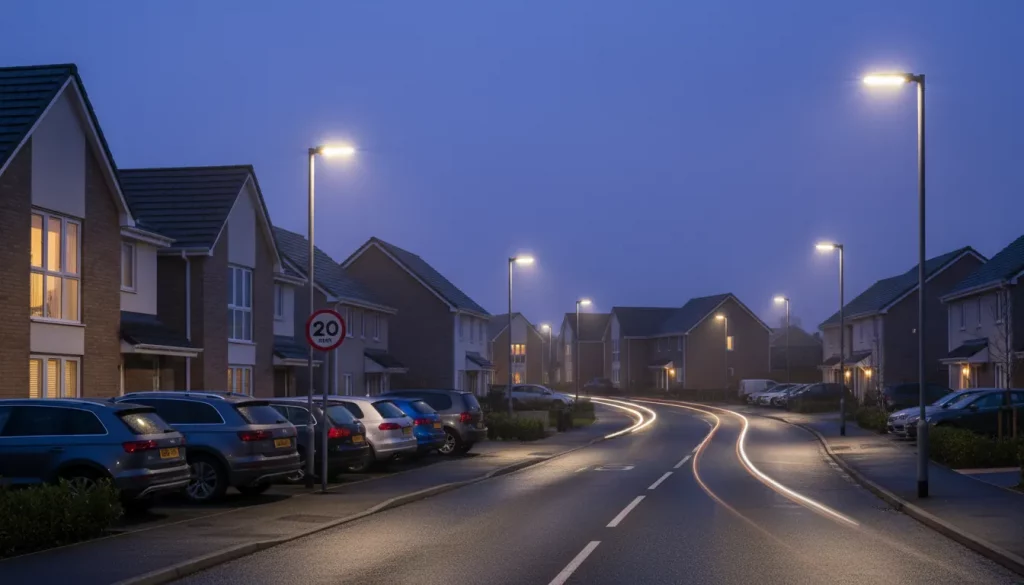
Timing determines your negotiating power. Once construction begins, your leverage evaporates. Once the Section 38 agreement is signed with commuted sum figures included, you’ve accepted the liability. The window for meaningful negotiation sits between pre-planning consultation and detailed design approval.
Early design engagement: your primary leverage point
The single most effective strategy for reducing commuted sums is engaging with the authority’s highways adoption team before finalising your design. Not after. Before.
At this stage, you can:
- Understand their material preferences before specifying alternatives
- Identify which non-standard features attract the highest charges
- Propose alternative designs that achieve your aesthetic goals without triggering excessive commuted sums
- Negotiate material equivalence where your specified products match or exceed authority standards
This approach delivers fixed-fee certainty early in your programme. You’re not redesigning after receiving an unexpected £150,000 commuted sum demand. You’re designing intelligently from the start with full cost visibility.
Consider this real scenario: A 45-unit residential development in the South West initially specified decorative block paving for all adoptable roads (aesthetic requirement from planning). Early engagement with highways revealed this would trigger a £78,000 commuted sum.
Alternative approach: Standard bituminous macadam for main carriageways, decorative paving limited to shared surface areas and key visual nodes. Result: £31,000 commuted sum. Saving: £47,000. Aesthetic objectives: still achieved. Programme certainty: maintained.
Material alternatives and equivalence arguments
This is where technical knowledge meets commercial negotiation. Many authorities maintain approved material lists, but these aren’t exhaustive catalogues. They’re starting points.
Your opportunity lies in demonstrating material equivalence or superior performance. When you can prove your proposed material delivers equal or better whole-life value than the authority’s standard specification, you create a negotiating position.
The equivalence argument structure:
- Performance specification match: Your material meets or exceeds the authority’s performance requirements (load bearing, durability, permeability, skid resistance)
- Maintenance profile comparison: Demonstrate equal or lower maintenance requirements with manufacturer data and case studies
- Lifecycle cost analysis: Present independent whole-life cost calculations showing comparable or lower costs
- Risk mitigation: Offer extended warranties, performance bonds, or maintenance guarantees that transfer risk from the authority
One developer we worked with successfully argued for resin-bound surfacing in parking courts by providing:
- 15-year manufacturer warranty (vs 10-year assumption in council calculations)
- Independent test data showing superior permeability retention
- Case studies from three other authorities where identical surfacing required zero maintenance over 8 years
- Offer to include the parking courts in the 12-month maintenance period
Result: Commuted sum reduced from £42,000 to £18,000. The authority accepted the evidence because it genuinely reduced their risk and future maintenance burden.
Value engineering without compromising compliance
Value engineering in the commuted sum context isn’t about cheapening your development. It’s about intelligent specification that maintains quality whilst reducing unnecessary maintenance liability.
High-impact value engineering opportunities:
SuDS design modifications: Sustainable drainage systems frequently attract the highest commuted sums because authorities worry about long-term maintenance complexity. Simplifying your SuDS design whilst maintaining the required attenuation and treatment performance can unlock substantial savings.
Case study: A 120-unit development in the Midlands initially designed complex swale systems with multiple check dams and ornamental planting. Commuted sum: £85,000. Redesigned with simpler linear swales, robust native planting, and clear maintenance access: £50,000. Saving: £35,000. Drainage performance: identical.
Street lighting specifications: Specifying LED columns with 25-year design life and reduced maintenance requirements (vs traditional lighting with 15-year replacement cycles) can reduce commuted sums by 30-40% on the lighting element alone.
Landscaping rationalisation: Heavy landscaping within adoptable areas attracts significant commuted sums for tree maintenance, seasonal planting, and irrigation. Relocating ornamental landscaping to private management areas whilst maintaining robust, low-maintenance native planting in adoptable zones reduces liability without compromising visual quality.
Practical negotiation tactics that deliver results
Theory is useful. Practical tactics that work in real negotiations with real highways officers are what you actually need. Here’s what consistently delivers results based on hundreds of adoption negotiations.
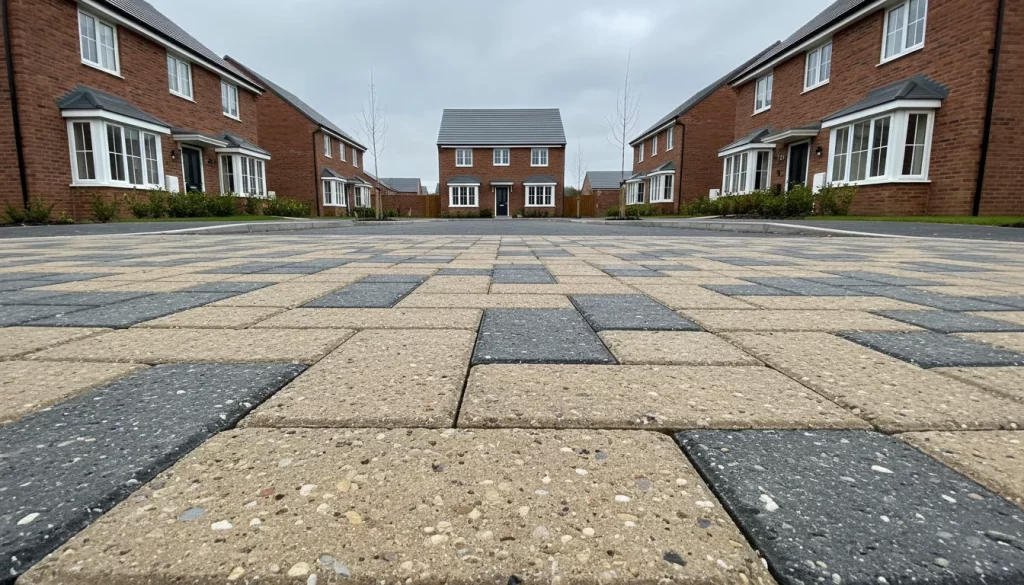
When to push back vs when to accept
Not every commuted sum calculation is worth challenging. Pick your battles strategically.
Push back when:
- The authority can’t provide transparent calculation methodology or published rates
- Their maintenance assumptions contradict manufacturer warranties or industry standards
- Similar developments in the same authority achieved lower rates for identical specifications
- The calculation includes assets that shouldn’t attract commuted sums (standard adoptable materials)
- Administration fees exceed 20% without clear justification
Accept when:
- The calculation follows published, transparent guidance with clear evidence base
- Your specification genuinely introduces complex maintenance requirements
- The authority has demonstrated flexibility on other aspects and this is their final position
- The cost difference is immaterial compared to negotiation time and relationship risk
- You’re already late in the programme and challenging would delay bond release
Ben Sperring advises: “I’ve seen developers spend three months arguing over £8,000 in commuted sums whilst their development sat incomplete waiting for adoption. Meanwhile, their bond was locked up and they couldn’t move forward. Know when the commercial decision is to accept and move on.”
Building your evidence-based case
Councils respond to evidence, not assertions. “This seems too high” doesn’t move negotiations forward. A structured evidence package does.
Your negotiation submission should include:
- Comparative analysis: Commuted sum rates for similar materials from other authorities (use published guidance from Bristol, Leicestershire, or other transparent authorities as benchmarks[3][4])
- Manufacturer technical data: Warranties, maintenance schedules, performance specifications, lifecycle cost projections from the product manufacturer
- Independent whole-life cost analysis: Your own calculation using industry-standard rates and realistic maintenance frequencies
- Case study evidence: Examples of identical or similar materials in adopted highways, with maintenance history if available
- Alternative design proposals: If challenging the calculation fails, present alternative designs that achieve similar outcomes with lower commuted sum liability
- Risk mitigation offers: Extended defects periods, performance bonds, maintenance guarantees that address the authority’s concerns
This isn’t about overwhelming the highways officer with paperwork. It’s about demonstrating you’ve done serious analysis and you’re proposing genuinely equivalent or superior alternatives.
The role of your technical advisor
This is where having an experienced technical partner makes a material difference to your commercial outcome. Authorities take evidence-based challenges more seriously when they come from recognised sector specialists rather than developers alone.
A consultant or contractor with deep highways adoption experience brings:
- Technical credibility: Highways officers know they’re dealing with someone who understands the regulations and standards
- Relationship capital: Established relationships with authority adoption teams smooth negotiations
- Evidence libraries: Access to case studies, comparative data, and technical specifications from multiple projects
- Negotiation experience: Understanding of what authorities will accept vs what’s a non-starter
Tony Flook reflects: “We’ve supported clients through dozens of commuted sum negotiations. The difference between a developer submitting a challenge alone versus having technical backing from a recognised highways specialist can be the difference between a 10% reduction and a 35% reduction. Authorities want to say yes when they can justify it technically. Give them the justification they need.”
Your technical advisor becomes your single point of accountability for the technical case, allowing you to focus on the commercial negotiation whilst they handle the engineering evidence.
Real-world commuted sum reduction case studies
Let’s look at specific examples where strategic negotiation delivered substantial savings. These aren’t theoretical scenarios. They’re actual projects with documented outcomes.
Case study 1: SuDS design modification (£35,000 saving)
Project: 85-unit residential development, South East England
Initial commuted sum: £94,000
Final commuted sum: £59,000
Reduction: 37%
The challenge: The original drainage design included extensive permeable paving across all parking areas and driveways, plus ornamental rain gardens with complex planting schemes. The authority’s calculation assumed intensive maintenance: annual jet-washing of permeable surfaces, seasonal planting replacement, and specialist ecological management of the rain gardens.
The solution: Working with the drainage engineer, the design was modified to:
- Retain permeable paving only in key areas with highest visual impact
- Replace ornamental rain gardens with simpler detention basins using robust native planting
- Introduce standard gully systems for lower-risk areas
- Provide comprehensive maintenance manual with clear, simple procedures
The negotiation: Presented revised whole-life cost analysis showing 40% reduction in projected maintenance costs over 25 years. Offered extended defects period (18 months vs standard 12 months) to demonstrate confidence in the simplified system’s performance.
Outcome: Authority accepted the revised design and reduced calculation. Drainage performance remained compliant with all planning conditions. Developer saved £35,000 whilst actually simplifying future maintenance for the authority.
Case study 2: Material equivalence for street lighting (£23,000 saving)
Project: Mixed-use development with 1.2km adoptable roads, Midlands
Initial commuted sum: £67,000
Final commuted sum: £44,000
Reduction: 34%
The challenge: The authority’s standard street lighting specification used traditional columns with 15-year design life. Their commuted sum calculation assumed full replacement at year 15 plus annual maintenance inspections and lamp replacements throughout the lifecycle.
The solution: Proposed upgraded LED lighting columns with:
- 25-year structural design life
- 100,000-hour LED units (effectively no replacement needed within 25-year period)
- Reduced maintenance requirements (inspection frequency reduced from annual to 3-yearly)
- Superior energy efficiency (benefit to authority’s operational costs post-adoption)
The negotiation: Provided manufacturer warranties, British Standards compliance certificates, and case studies from four other authorities who’d accepted identical specifications with reduced commuted sums. Highlighted that the authority would benefit from lower energy costs after adoption, creating a genuine win-win.
Outcome: Authority recalculated based on 25-year lifecycle with minimal maintenance requirements. The upgraded specification actually cost the developer only £8,000 more than standard lighting, but reduced the commuted sum by £23,000. Net saving: £15,000 plus de-risked delivery through better quality lighting.
Case study 3: Early engagement preventing excessive charges (£52,000 saving)
Project: 150-unit development, South West
Potential commuted sum: £118,000
Actual commuted sum: £66,000
Reduction: 44%
The challenge: This one’s different because the saving came from preventing excessive charges before they were calculated, rather than negotiating down an existing figure.
The solution: During pre-application discussions, the developer’s team engaged directly with the highways adoption officer to understand material preferences and commuted sum triggers before finalising the detailed design.
Key interventions:
- Identified that the proposed decorative paving scheme would trigger £78,000 in commuted sums
- Worked with the authority to agree alternative materials that achieved planning requirements without excessive maintenance liability
- Specified authority-preferred street furniture and lighting from the outset
- Designed SuDS features using the authority’s published preferred approach
The negotiation: This wasn’t really a negotiation. It was collaborative design. By involving the authority early, the development was designed to minimise commuted sum liability from the start whilst still meeting all planning requirements and design aspirations.
Outcome: When the formal Section 38 application was submitted, the commuted sum calculation came in at £66,000 vs the £118,000+ it would have been under the original design. No contentious negotiations required. Programme certainty maintained. Capital release achieved earlier through faster adoption agreement.
This case demonstrates the most powerful principle: early engagement prevents problems rather than solving them later.
Authority-specific policies and ADEPT guidance

Understanding the regulatory framework helps you identify where authorities have discretion and where they’re bound by published policy. This knowledge shapes your negotiation strategy.
ADEPT 2024 guidance framework
The ADEPT Commuted Sums for Highway Infrastructure Asset Management guidance (updated 2024) provides the industry standard framework[1]. It’s not mandatory, but most authorities use it as their foundation.
Key principles from ADEPT 2024:
- Transparency: Authorities should publish their calculation methodology and rates
- Consistency: Similar assets should attract similar commuted sums regardless of developer
- Evidence-based: Calculations should reflect realistic maintenance costs, not theoretical worst-cases
- Proportionality: Commuted sums should relate to genuine additional maintenance burden, not act as a development tax
Here’s what matters for your negotiations: ADEPT explicitly recognises that alternative materials and designs may offer equivalent or better whole-life value than standard specifications. The guidance encourages authorities to consider evidence-based alternatives rather than rigidly applying standard rates.
When an authority refuses to consider your evidence-based alternative, you can reference ADEPT’s own guidance encouraging flexibility and proportionality. This isn’t about being confrontational. It’s about pointing to industry best practice that supports reasonable negotiation.
Regional variations you need to know
Different authorities interpret ADEPT guidance differently, creating significant regional variations in commuted sum liability for identical developments.
Authority approaches:
Transparent publishers (Bristol, Leicestershire, Hampshire): These authorities publish detailed material palettes, calculation schedules, and worked examples[3][4]. Negotiation focuses on demonstrating your materials meet their published standards or offer equivalent performance.
ADEPT standard adopters (majority of authorities): Follow ADEPT guidance but don’t publish detailed local schedules. Negotiation requires understanding their interpretation of ADEPT principles and presenting evidence that fits within that framework.
Conservative interpreters (some London boroughs, certain county councils): Apply ADEPT guidance conservatively with high unit rates and short lifecycle assumptions. Negotiation here is more challenging but often more valuable given the higher starting figures.
Bespoke policy authorities (some metropolitan districts): Maintain their own calculation methods predating ADEPT or significantly diverging from it. Negotiation requires understanding their specific policy rationale and finding flexibility within their framework.
Your first step in any negotiation: understand which type of authority you’re dealing with. Request their published commuted sum policy and calculation methodology. If they can’t provide it, you’ve immediately identified negotiation opportunity.
When to escalate vs when to compromise
Most commuted sum negotiations resolve at the highways officer level. Sometimes they don’t. Knowing when to escalate and how to do it effectively protects your commercial position without damaging essential relationships.
Escalate when:
- The highways officer can’t provide policy basis for their calculation
- Your evidence-based challenge is rejected without technical justification
- The calculation contains clear errors or applies rates inconsistently
- Similar recent developments in the same authority achieved significantly lower rates for identical specifications
- The commuted sum materially affects project viability and all reasonable negotiation has been exhausted
Escalation path:
- Request formal review: Ask for the calculation to be reviewed by a senior highways officer or team leader
- Technical arbitration: Propose independent technical review by a mutually agreed highways consultant
- Member involvement: In exceptional cases, involve your local councillor or the portfolio holder for highways (use sparingly and diplomatically)
- Formal dispute process: Some authorities have published dispute resolution procedures within their Section 38 agreements
Compromise when:
- The authority has moved significantly from their initial position
- Further negotiation risks programme delay that costs more than the remaining difference
- You’ve achieved the material commercial outcome even if not the ideal outcome
- The relationship with the authority matters for future projects in their area
Ben Sperring’s perspective: “I’ve been in negotiations where we’ve pushed hard for a 40% reduction and achieved 28%. The developer wanted to keep fighting for the full 40%, but the authority had genuinely moved as far as they could within their policy framework. We advised accepting. Sometimes 28% is the win, and pushing for 40% just burns relationships you’ll need on the next project.”
Implementing your commuted sum negotiation strategy
Theory and case studies are valuable. Implementation is what delivers actual savings to your bottom line. Here’s your practical roadmap for executing an effective commuted sum negotiation strategy on your next project.
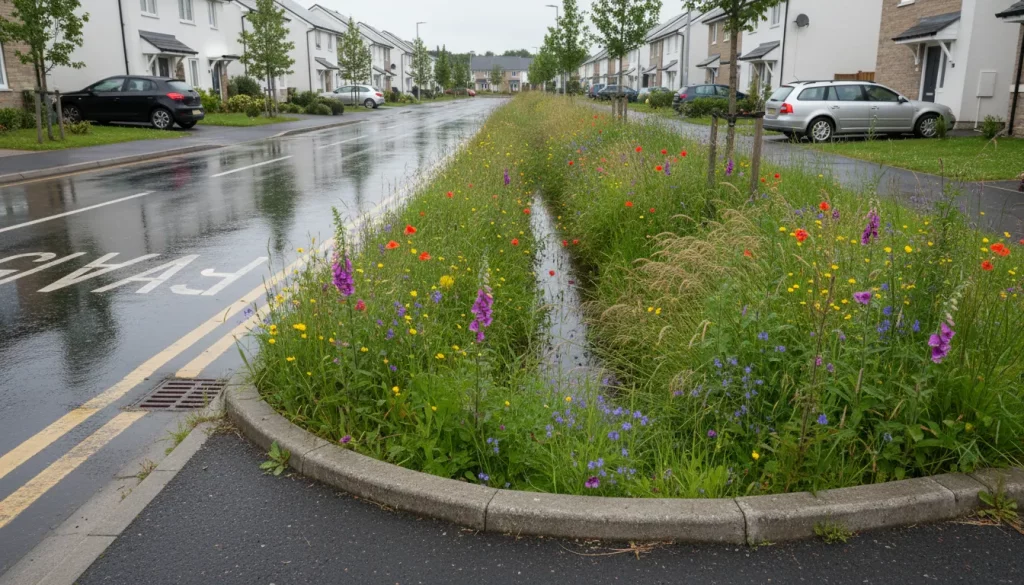
Pre-planning stage: laying the groundwork
Months before formal planning application:
Start your commuted sum strategy before you’ve finalised your site layout or highway design. This is when you have maximum flexibility to design intelligently rather than redesign expensively.
Action steps:
- Request pre-application meeting specifically focused on highways adoption and commuted sums (separate from your main pre-app if needed)
- Obtain published policies: Request the authority’s commuted sum calculation methodology, material palette, and any published guidance
- Understand triggers: Identify which design elements will attract commuted sums and which won’t
- Benchmark alternatives: Before specifying materials, understand their commuted sum implications
- Engage technical advisor: Bring in highways adoption specialists at this stage, not after problems emerge
This early engagement delivers fixed-fee certainty before you’ve committed to expensive design elements that trigger unnecessary charges.
Detailed design stage: optimising your position
During detailed highway design development:
This is your primary negotiation window. Your design is developed enough to be credible but not so fixed that changes are prohibitively expensive.
Action steps:
- Specification review: Analyse every non-standard material or feature against commuted sum impact
- Value engineering workshop: Bring together your design team, QS, and highways advisor to identify optimisation opportunities
- Alternative material research: For any high-cost elements, research equivalent alternatives with better lifecycle profiles
- Evidence gathering: Collect manufacturer warranties, case studies, and technical data for materials you plan to specify
- Draft negotiation submission: Prepare your evidence package before receiving the formal commuted sum calculation
Tony Flook notes: “The developers who achieve the best outcomes are the ones who treat commuted sum optimisation as a design activity, not a negotiation activity. By the time you’re negotiating, you’ve already made the key decisions. Make them wisely at the design stage.”
Section 38 application stage: formal negotiation
During Section 38 agreement preparation:
You’ve submitted your detailed design. The authority issues their commuted sum calculation. Now the formal negotiation begins.
Action steps:
- Detailed review: Analyse the calculation line by line. Check unit rates, quantities, lifecycle assumptions, and administration fees against published guidance
- Identify challenges: Prioritise challenges based on materiality (focus on high-value items first)
- Submit evidence package: Present your formal challenge with comprehensive supporting evidence
- Propose alternatives: If direct challenge fails, propose alternative designs that achieve similar outcomes with lower liability
- Negotiate timeline: Agree clear timeline for authority review and response to avoid programme drift
Negotiation meeting structure:
- Open with acknowledgment: Recognise the authority’s responsibility to protect public funds and ensure adequate maintenance provision
- Present evidence systematically: Work through your challenges methodically with supporting documentation
- Focus on mutual benefit: Frame alternatives as reducing authority risk and maintenance burden, not just reducing developer costs
- Seek agreement in principle: Get authority agreement on approach before finalising detailed calculations
- Document everything: Confirm agreements in writing immediately after meetings
Post-negotiation: securing your outcome
Once you’ve reached agreement, protect your position and maintain the relationship.
Action steps:
- Written confirmation: Ensure the agreed commuted sum is formally documented in the Section 38 agreement
- Payment timing: Negotiate payment timing that aligns with your capital release strategy (some authorities accept payment at practical completion rather than agreement signing)
- Maintain quality: Deliver the agreed specification precisely. Variations during construction can reopen commuted sum discussions
- Document performance: If you’ve negotiated based on material performance claims, document actual performance during the defects period to support future negotiations
Frequently asked questions about commuted sums highway adoption
What exactly is a commuted sum in highway adoption?
A commuted sum is a one-off payment made by developers to local highway authorities to cover the estimated future maintenance costs of adopted highway infrastructure over a specified period (typically 25 years). It’s calculated based on the type and quantity of non-standard materials or features you include in your adoptable highways that require more maintenance than the authority’s standard specifications.
Can I refuse to pay a commuted sum?
Not if you want your roads adopted under Section 38. Commuted sums are a legitimate requirement where your design includes materials or features that genuinely create additional maintenance liability for the authority. However, you absolutely can challenge the calculation methodology, unit rates, and lifecycle assumptions if they’re not evidence-based or exceed reasonable maintenance costs.
When is the best time to negotiate commuted sums?
The pre-planning and detailed design stages offer maximum negotiation leverage. Once your Section 38 agreement is signed with commuted sum figures included, you’ve accepted the liability. Early engagement with the highways adoption team before finalising your design allows you to avoid excessive charges rather than negotiate them down later. Prevention is more effective than cure.
Do all highway materials attract commuted sums?
No. Standard adoptable materials that appear on the authority’s approved material palette typically don’t attract additional commuted sums beyond the standard maintenance contribution. Commuted sums are triggered by non-standard materials (decorative paving, resin-bound surfaces), complex SuDS features, enhanced street furniture, or landscaping that requires more intensive maintenance than basic highway infrastructure.
How do I know if a commuted sum calculation is reasonable?
Compare it against published guidance from transparent authorities like Bristol or Leicestershire[3][4]. Check whether the unit rates, lifecycle assumptions, and administration fees align with ADEPT guidance[1]. Request the authority’s calculation methodology and verify that quantities are accurate. If the authority can’t provide transparent justification for their figures or their assumptions contradict manufacturer warranties and industry standards, you have grounds to challenge.
What evidence do I need to challenge a commuted sum?
Build a comprehensive evidence package including: manufacturer technical data and warranties, independent whole-life cost analysis, case studies from other authorities showing lower rates for identical materials, comparative analysis of published commuted sum rates, and alternative design proposals if direct challenge fails. Authorities respond to structured, evidence-based challenges, not unsupported assertions that costs are “too high.”
Can I negotiate commuted sums after construction has started?
Technically yes, but your leverage is minimal. Once construction is underway, you’ve typically already signed the Section 38 agreement accepting the commuted sum liability. Authorities have little incentive to renegotiate at this stage. Any significant design changes during construction may actually increase commuted sums rather than reduce them. Always negotiate before committing to construction.
What’s a typical commuted sum for a residential development?
This varies enormously based on design complexity and authority calculation methods. A simple development with standard materials might have zero or minimal commuted sums (under £10,000). A development with extensive decorative paving, complex SuDS, and enhanced landscaping could face £80,000-£150,000+ in commuted sums. The key variables are material choices, SuDS complexity, and the authority’s calculation approach.
Do commuted sums apply to Section 278 works as well as Section 38?
Yes. Section 278 agreements (works within existing highway) can also attract commuted sums where you’re introducing new features or materials that create additional maintenance liability for the authority. The same negotiation principles apply: early engagement, evidence-based challenges, and material alternatives can reduce costs in Section 278 contexts just as effectively as in Section 38 new road adoptions.
Should I use a specialist consultant for commuted sum negotiations?
For projects with significant commuted sum liability (£50,000+), specialist support typically pays for itself through the savings achieved. Experienced highways adoption consultants bring technical credibility, established relationships with authorities, evidence libraries from multiple projects, and negotiation expertise that materially improves outcomes. For smaller projects with minimal commuted sums, the cost-benefit may not justify specialist support, but for major developments, it’s a commercially sound investment that delivers rapid mobilisation and programme certainty.
Conclusion: turning commuted sum negotiation into competitive advantage
Commuted sums represent one of the last major cost variables in highway adoption that most developers simply accept without challenge. That’s your opportunity.
The developers who treat commuted sum optimisation as a strategic design activity, not an unavoidable cost, consistently deliver better commercial outcomes. They engage early, design intelligently, challenge constructively, and achieve 20-40% reductions that flow directly to their bottom line.
This isn’t about aggressive negotiation or adversarial relationships with highway authorities. It’s about understanding the mechanics behind commuted sum calculations, knowing where authorities have discretion, and presenting evidence-based alternatives that genuinely benefit both parties. Authorities want to adopt your roads. They’re not trying to overcharge. They’re being appropriately cautious with public money. Give them the evidence and assurance they need to reduce their risk, and they’ll reduce your costs.
The case studies in this guide demonstrate what’s possible: £35,000 saved through SuDS design modification. £52,000 prevented through early engagement. £23,000 reduced through material equivalence arguments. These aren’t exceptional outcomes. They’re what happens when you apply systematic strategy to commuted sum negotiations.
Your action plan:
- Start early: Engage with highway adoption teams during pre-planning, not after detailed design is fixed
- Understand the framework: Request published policies and calculation methodologies before you design
- Design strategically: Specify materials and features with full awareness of their commuted sum implications
- Build your evidence: Gather manufacturer data, case studies, and comparative analysis before negotiating
- Challenge constructively: Present evidence-based alternatives that reduce authority risk alongside your costs
- Know when to compromise: Achieve material commercial outcomes without damaging essential relationships
- Get specialist support: For projects with significant liability, technical advisors deliver ROI through improved outcomes
The difference between accepting commuted sums at face value and negotiating strategically is often £50,000-£100,000+ on a typical residential development. That’s not a rounding error. That’s material capital release that improves your project viability and competitive position.
Your next development deserves better than default acceptance of the first commuted sum calculation you receive. With the right approach, you can reduce your highway adoption costs by 20-40% whilst maintaining quality, compliance, and positive authority relationships.
That’s not just cost reduction. That’s competitive advantage.
Ready to reduce your commuted sum liability on your next project? Highways Plus brings 30+ years of highways adoption expertise to help you navigate commuted sum negotiations effectively. Our consultative approach combines technical credibility with commercial focus to deliver outcomes that benefit your bottom line. Get in touch to discuss how we can support your adoption strategy and unlock capital release through intelligent design and evidence-based negotiation.
References
[1] ADEPT (2024). Commuted Sums for Highway Infrastructure Asset Management. Association of Directors of Environment, Economy, Planning & Transport. Available at: https://www.adeptnet.org.uk/documents/commuted-sums-highway-infrastructure-asset-management-2024
[2] Department for Transport (2022). Advice Note on Highways Adoption. Available at: https://assets.publishing.service.gov.uk/media/62e7b821d3bf7f75b9121a6a/advice-note-highways-adoption.pdf
[3] Leicestershire County Council (2025). Highway Design Guide: Part 4F – Commuted Sums. Available at: https://www.leicestershirehighwaydesignguide.uk/sites/lcchighwaydesign/files/2025-02/14-lhdg-part-4f-commuted-sums.pdf
[4] Bristol City Council. Transport Development Management Guide: Adoptable Highway Material Palette. Available at: https://www.bristol.gov.uk/files/documents/4348-03-7-0-adoptable-highway-material-palette